
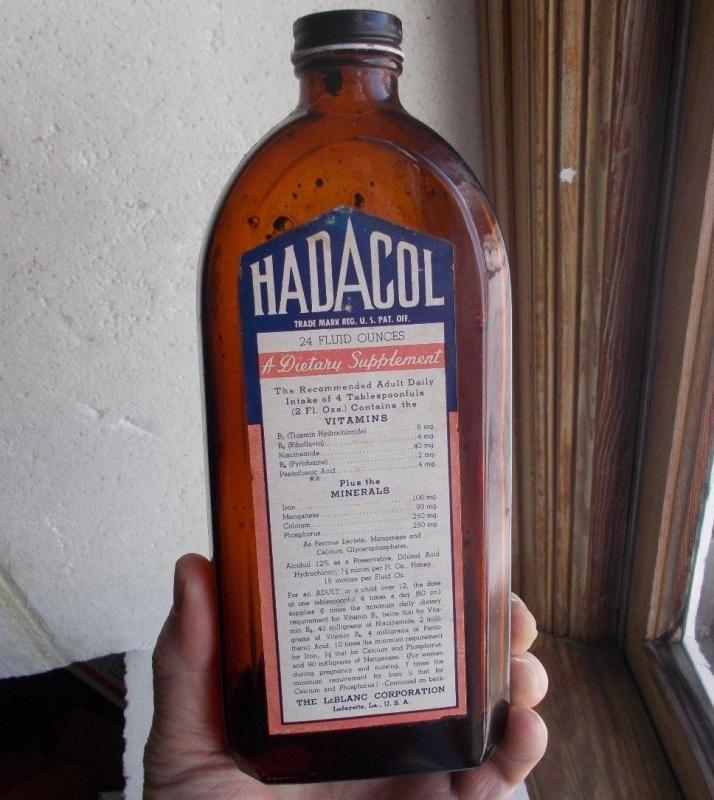
Hadacol. A foul tasting concoction that made a millionaire of Dudley J. LeBlanc, a Cajun-born Louisiana politician/salesman/sleazeball in the tradition of his nemesis Huey Long. Perhaps the last gasp in the grand and grotesque tradition of the medicine show, which gave so many blues and country musicians an easy way to make money and gave the world fun phrases like “snake oil”. Hadacol may not have contained any snake parts, but it sure was profitable. It took the American south by storm in the late 1940’s into the early 1950’s.
It all started back in the mid-40’s, when LeBlanc had some pain in his big toe. After a few legitimate doctors failed to cure him, he found that being injected by some secretive quack did the trick. Unable to wangle the formula from this guy, LeBlanc waited until his third visit, when a hapless nurse did the injecting, to use his southern charm to pocket the bottle of this magical elixir. “After you, my Dixie chicken…” It was a simple grab and go after that.
What LeBlanc discovered was that there wasn’t anything to this stuff besides some B vitamins. And since he’d already tried his hand (and been shut down by the powers that be) at selling Happy Days headache powder, he figured he’d give it another shot and began brewing up vats of Hadacol (HAppy DAys COmpany, with an L for his last name) in a barn out yonder. The story goes that it was local farmer’s daughters mixing up this slop in barrels using boat oars.
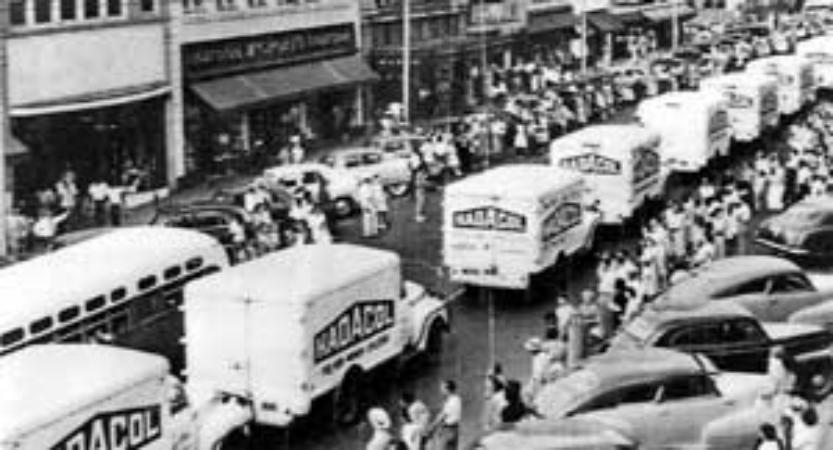
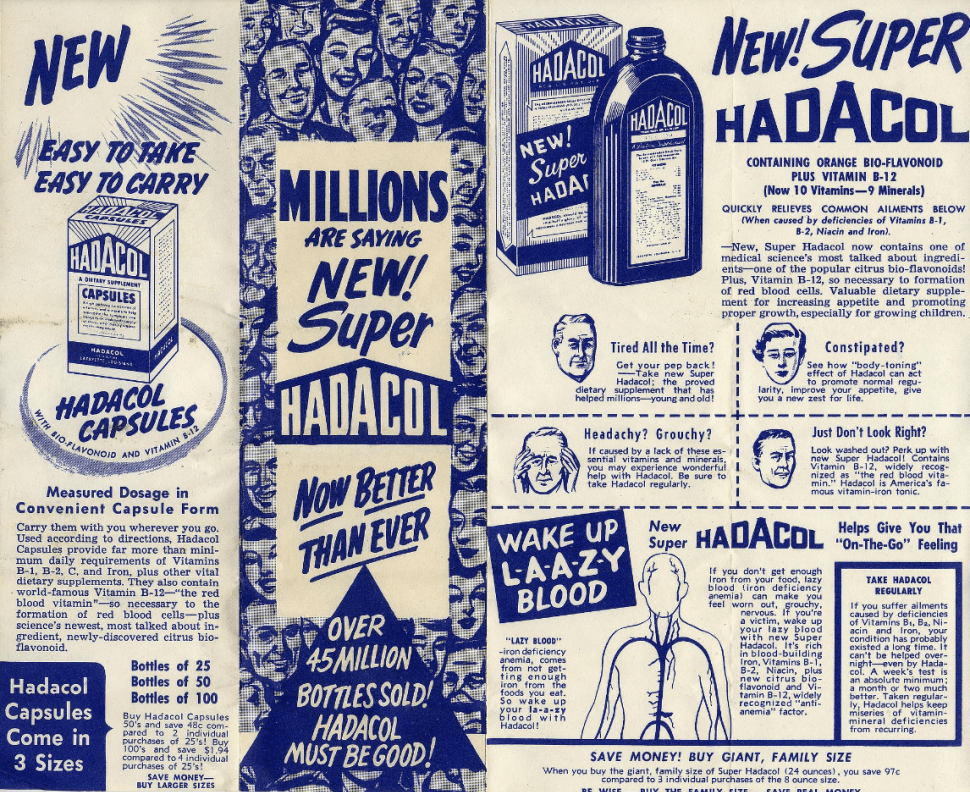
LeBlanc was smart though. He wanted to make sure this stuff would sell, so he created a drinkable remedy, purported to cure everything from gout to tuberculosis to irregularity to high (or low) blood pressure, and more. If you had it, Hadacol could fix it, as hundreds of testimonials from yokels and yokelettes would attest to in ads that were hard to avoid in the south. LeBlanc, no dummy of a huckster, spent big on the marketing, and methodically grew the brand, beginning in his native Cajun country and rippling outward like an epidemic. Within a year or two he had giant factories replacing the barn and boat oars, and a fleet of trucks to service drug and general stores region wide.
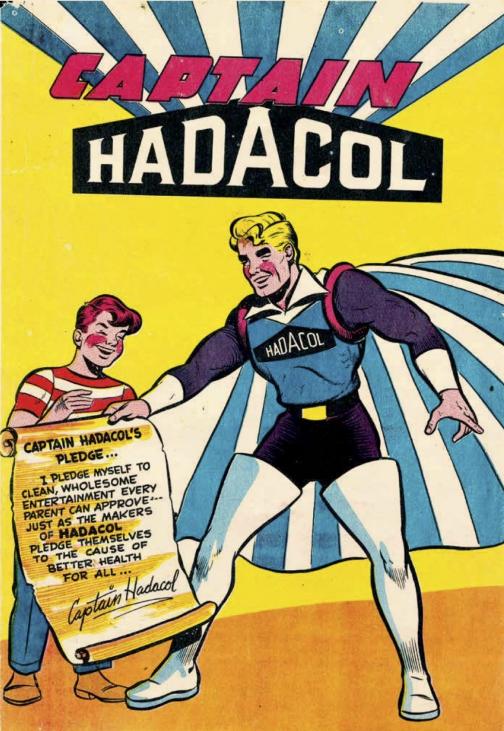
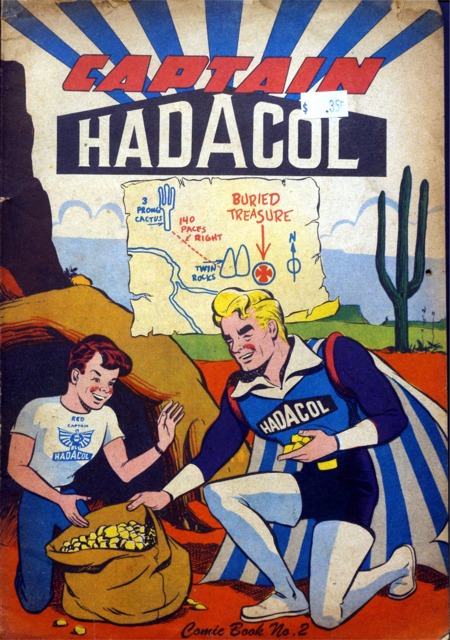
While marketing was surely the major factor in making Hadacol a cultural phenomenon, it didn’t hurt that the stuff contained 12% alcohol by volume. But since it was “medicine”, it was sold over the counter in pharmacies and other reputable locations. You wanted a drink in a dry county, or perhaps were ashamed to admit that you liked to catch a buzz, or maybe you were a minor, Hadacol had you covered. LeBlanc even went so far as to market directly to kids with a super hero comic book featuring Captain Hadacol! Yeah, this was some crazy shit. Only in the south…
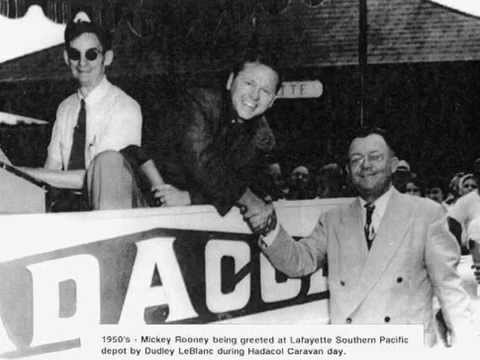
Because up north, at least in a few places, they saw through this crap. In one Illinois city Hadacol was limited to liquor stores. And once the fleets of trucks and the Hadacol Caravan featuring dozens of big Hollywood stars (everyone from Judy Garland and Lucille Ball to Mickey Rooney and Bob Hope) began infiltrating areas beyond the south, the AMA, FDA, and common sense in general began to push back.
LeBlanc weaseled it out though, for a while anyway. The advertising claims were simply changed to read that anything it cured only did so for cases where the cause was a lack of Hadacol and its magic ingredients. But by this time a certain element of the public at large had already been hornswoggled, and they liked it just fine, thank you. Poor folks with holes in their shoes would wander into the Piggly Wiggly and plunk down their buck twenty-five for eight ounces of buzziness. That’s like eleven bucks in today’s cash, much more expensive than wine or other booze, but this was Hadacol! The ads made it irresistible for the exact demographic that could least afford this crap, those too dumb or religious to buy actual booze.
It was tragic in a way, but sorta hilarious too. The sheer size of the Hadacol dynasty at its peak was insane. LeBlanc was selling tens of millions of dollars worth of this stuff annually, with an advertising budget that was also in the multiple millions per year. Hadacol was a cultural phenomenon – there were songs about it, jokes about it, lines in bad movies and on early local TV about it. The word of mouth was such that huge swaths of the Dixie population believed that this stuff could increase “potency” for both males and females. That’s the kind of advertising you can’t buy, especially back then.
By late 1951 though it all began to come apart, but not before LeBlanc craftily managed to unload the company for a cool eight million. The chickens were already coming home to roost, as the FDA and AMA were beginning to puncture public perception and, against significant odds, affect sales. At the time of the sale, there were a few million dollars in inventory still on trucks, waiting to be returned. LeBlanc’s reaction to his suckering the buyers? “You sell someone a cow and the cow dies, who’s to blame?” Somehow that worked, legally anyway. His bid for the U.S. Senate in 1952 (he’d already been a State Senator a few times over), once again, did not.
Yes, Hadacol was a bizarre conflagration of greed, sleazy marketing and the American south’s lust for alcohol and religion. But are things really any better today, with huge multi-national pharmaceutical concerns shilling blue pills and any number of other only slightly less repellent medicines at obscenely inflated prices to Joes and Janes nationally, doing an end run around medical professionals? If I see one more ad for opioid-induced constipation drugs (made necessary by the rampant marketing of… umm… opioids, which has also led to the current rural and suburban heroin epidemics)… It almost makes one pine for the simpler days of mere Hadacol-mania.
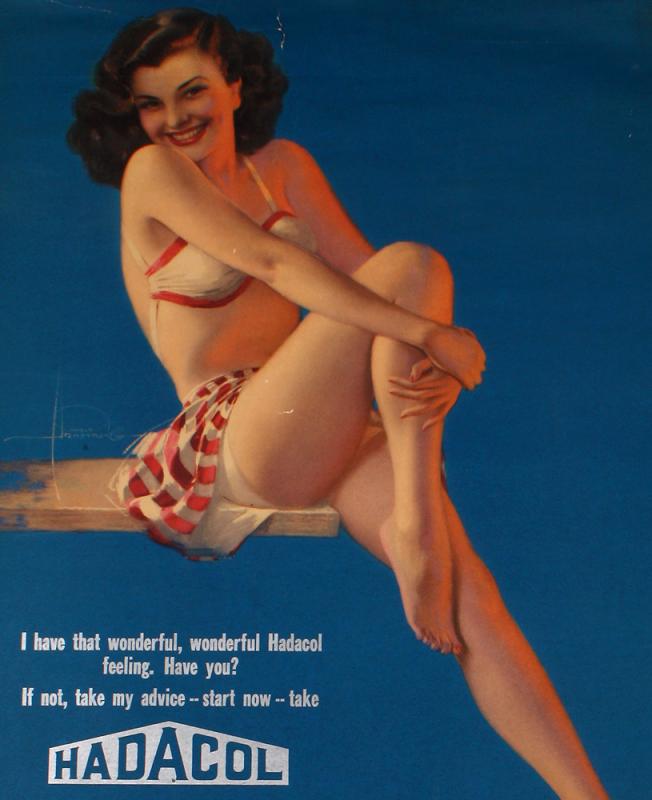
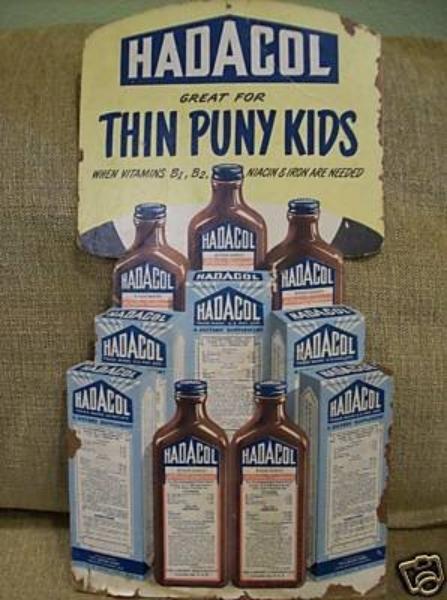
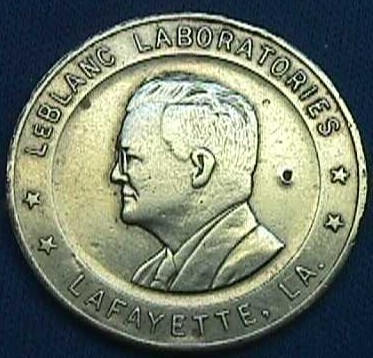
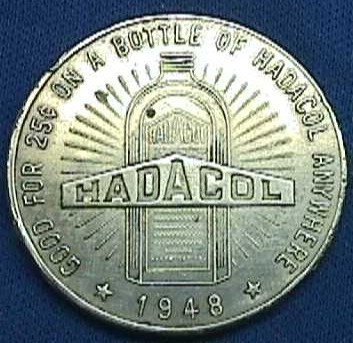
Here are some more ads and related photos:
There were dozens, maybe hundreds of tunes about Hadacol back then, many with it in the title. This one’s less direct, but my favorite tune of the bunch. The Hadacol line is in the last verse:


Leave a Reply