
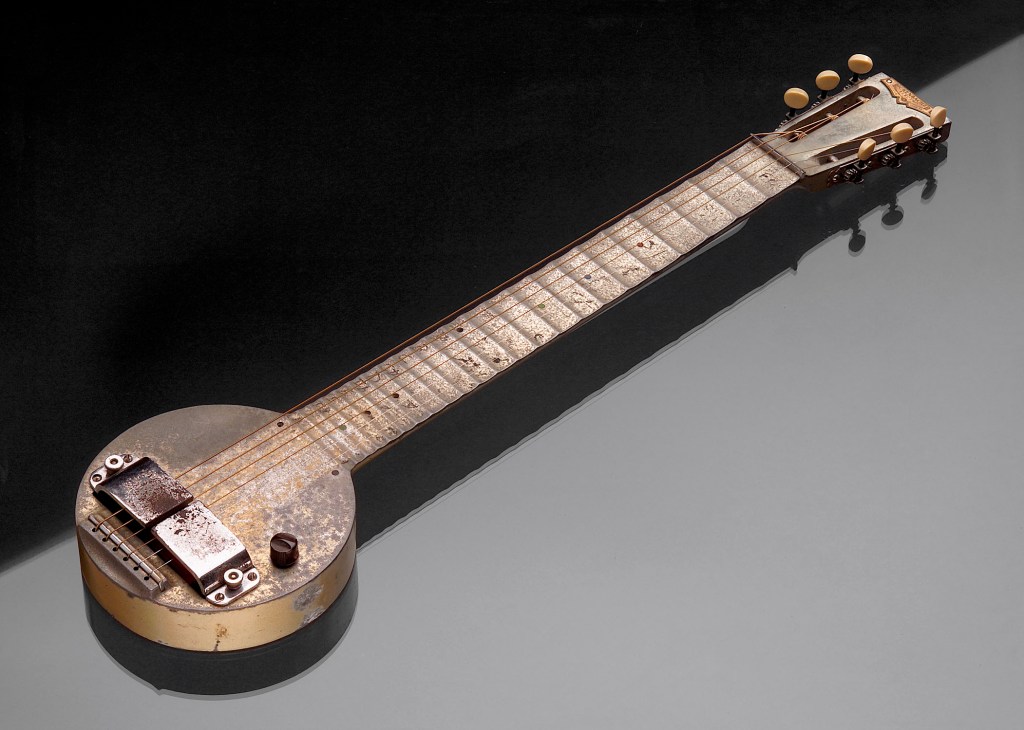
One thing I’ve learned over decades of listening to and otherwise learning about music of various kinds is that you can’t always believe what you read. Few areas of interest are fraught with as much mythologizing and misinformation as the history of 20th century American musics, all of ‘em really. What usually happens is that something gets written in one seemingly authoritative place or is said by one supposedly reliable source and it attains “fact” status merely through constant repetition by others unwilling to dig deeper.
It’s not the world’s most pressing problem or anything, but as a student of blues and jazz and ragtime, and many of the hybrids and descendants thereof, it does drive me nuts sometimes. No, Charley Patton wasn’t a derelict, illiterate clown that lived off the kindness of women working in white folks’ kitchens. He was a damn rock star among his peers and traveled widely, was relatively well educated, bought new cars regularly, and always had cash. Thanks Son House!
And no, Mamie Smith did not record the first blues tune ever. Plenty of white artists specializing in ethnic material in a Vaudeville sort of way beat her to it, many in a way that would sound much more like blues as we know it now to people than Smith’s iconic 1920 recording of “Crazy Blues”. At least that one has a kernel of truth to it, in that she was the first black singer to release a tune with “blues” in the title. That we know of…
Again, others had gone before, but nobody cares about Edison cylinders and the like. In truth, black artists had been recording various musical hybrids, designed to sell records (and filtered through white lenses), not to prove points, since the turn of the century and before. Putting labels on things and declaring that “this is blues, and this is why” didn’t start happening until much much later, usually with the benefit of limited access to material that, to be fair, has largely disappeared to the ravages of time and nature.
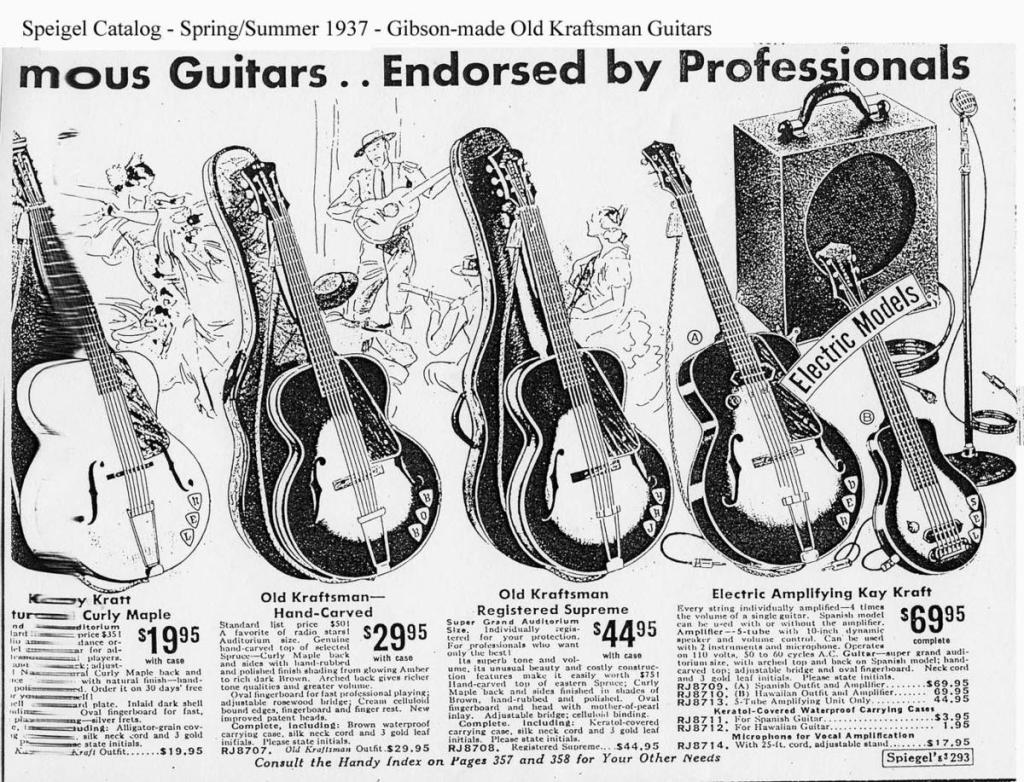
But I’m gonna try not to bore you with too much of that malarkey. Today I’d like to explode just one minor myth, one that I see over and over again as I peruse Google results and Wikipedia pages. It’s the simple and seemingly easy to settle question as to who recorded the very first example of electric guitar playing for commercial purposes. The electric guitar has become a pretty big thing. People have looked into this. Most of ’em are wrong.
I should clarify things here by saying that I’m referring to the electric “Spanish” guitar as opposed to electric steel or “lap steel”, which predated the regular or “Spanish” by a few years both in being offered for sale and in being recorded. The Rickenbacker (yep, same company as those cool looking Beatles guitars) folks patented and started selling the “frying pan” model of lap steel in 1931, and recordings began to appear not long afterwards, usually in proto-western swing or Hawaiian contexts.
The whole Hawaiian thing looms large in electric (and slide) instrument history, but maybe I’ll bore y’all with that another time. Suffice it to say that even before the turn of the 20th century Hawaiian music periodically became a sensation, most famously in the years following the dawn of the disc recording era, say the late 1920’s. It’s some fascinating music, not the cheesy crap you hear even today any time you see a luau on the Brady Bunch or whatever. Those old cats could play!
Anyway, if you do a quick search of the internet, what you’ll be told over and over again is that George Barnes (a fine jazz guitarist who had a long and extensive career) recorded the first examples of electric guitar playing for commercial purposes in 1938, with Big Bill Broonzy. He did not.
Those are fine fine records though, with some unusually inventive solos for the time and especially for the material (Broonzy’s work could be a little same-y). I almost wish it was true, because Barnes really was a heck of a player with an interesting history of output with all kinds of players in all kinds of genres, right up until his death in 1977.
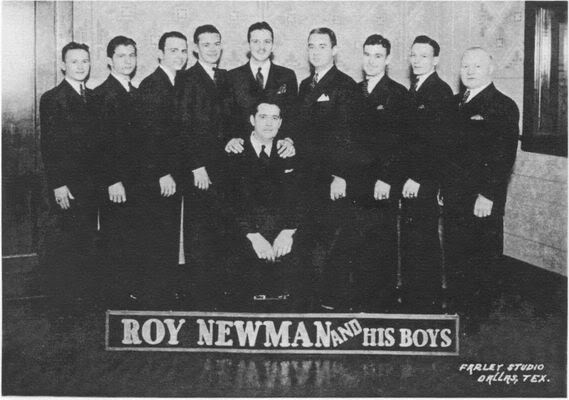
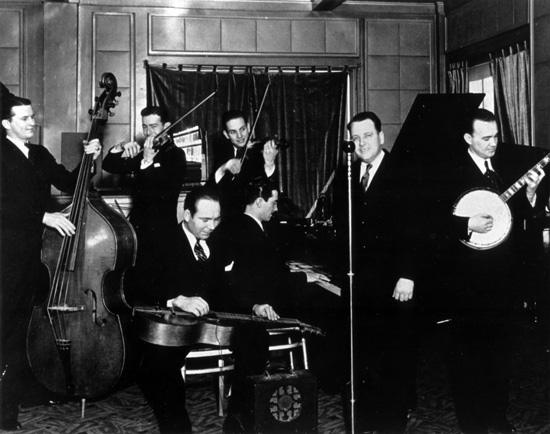
But no. It wasn’t George Barnes, no matter how many times you see it repeated on websites all over the damn world. As best I can tell, it was this guy Jim Boyd, playing with this crazy little western swing band called Roy Newman and His Boys in 1935. That’s a year before Gibson even started selling an electric guitar, and three years before George Barnes recorded with Broonzy. Or it may have been Bob Dunn, playing with Milton Brown and His Musical Brownies in that same year, though he played lap steel too and the exact dates are a jumbled mess.
The thing is, I’m probably (almost certainly) wrong! I don’t think there’s a human being on the planet that can categorically say that this or that guy was first. There have simply been too many releases on too many labels, documented too poorly, with too many of the discs having not survived, to say for sure. But this one sure as heck comes before Barnes, and it exists. You can buy it. All those repetitions of “the first electric guitar ever recorded was George Barnes” are flat out wrong, embarrassingly so.
I should also mention Eddie Durham here, as he’s another guy often listed by folks as “among the first”. He was indeed a pioneer in many ways, having played jazzy guitar on sessions as far back as the late 1920’s. Also a key figure in the transition from New Orleans jazz to the 4/4 rhythms that would come to be identified with swing via Benny Goodman and others. He wrote most of Count Basie’s seminal arrangements for chrissakes! A great guitarist and even better arranger (one of the great unsung heroes of jazz!), but no, his 1938 recordings with Lester Young aren’t the first either, nor his 1935 “amplified guitar” playing with Jimmy Lunceford on “Hittin’ the Bottle”. OK?
No, it’s never who you think, never the big name guys. This Jim Boyd (or Bob Dunn), if he was indeed the first (probably not), was a nobody, playing in a band that today nobody’s heard of, not some revered jazz outfit, and not with some revered blues guy. He probably made the guitar himself somehow (as Durham had done), or someone else did it for him. You couldn’t really buy an electric guitar (as opposed to lap steel) in 1935. Or maybe you could. We don’t know everything about every company that existed back then, just the big ones, the ones that survived.
Sorry folks, but this is the kind of subject matter that really gets my juices flowing. You can tell when I get worked up about something when I don’t even make one lame attempt at humor. No friends, this shit’s important to me, not that the other crap I write about isn’t. I just feel like it’s extra important to set the record straight on things like this. Nothing’s as fun for me as exploding musical myths, righting wrongs that have been repeated ad infinitum in books and on websites for decades.
And it’s far too easy. That’s kinda the point. You can pretty much say anything in this field of study and people will believe you. It’s not like baseball where the facts are all there for any sabermetrcian to slobber over going back to 1866. This is much more illusory and indefinable stuff, with source material that has long since decomposed in many cases. It’s sorta like archaeology in a way, but in that field you don’t have layers of data almost purposefully aiming to fool you.
Or maybe you do. I don’t know… All I know is that there’s an awful lot of bullshit to wade through when you start trying to track down the roots of things musical once you get to a certain point. Lots of it’s the sociological/cultural baggage which surrounds music just as much today as it ever did, maybe more, but when you get back to the 1930’s and before it really does get extra-sketchy due to lack of hard evidence at times. Today all I aim to do is to disprove the Barnes myth really.
So on that note, let’s all take a listen to those wacky but well dressed cowboys and their strange new 1935 music, shall we? I’ll put down yonder my favorite of the three extant tunes from that 1935 session from Roy Newman and His Boys, with Jim Boyd on electric guitar. And no, that first bit of guitar playing isn’t what I’m talking about here. The electric part comes later. The tune’s really kind of fun! Only the title sounds painful…


Leave a Reply